
Prof. Dr. Emre Sivrikoz
A current, evidence-based, patient-centered approach in colorectal surgery and proctology. The treatment plan is created individually for each patient; the process is explained clearly and transparently before any procedure.
The goal is not only to treat the condition, but to provide a comfortable, predictable recovery process where the patient feels safe and supported.
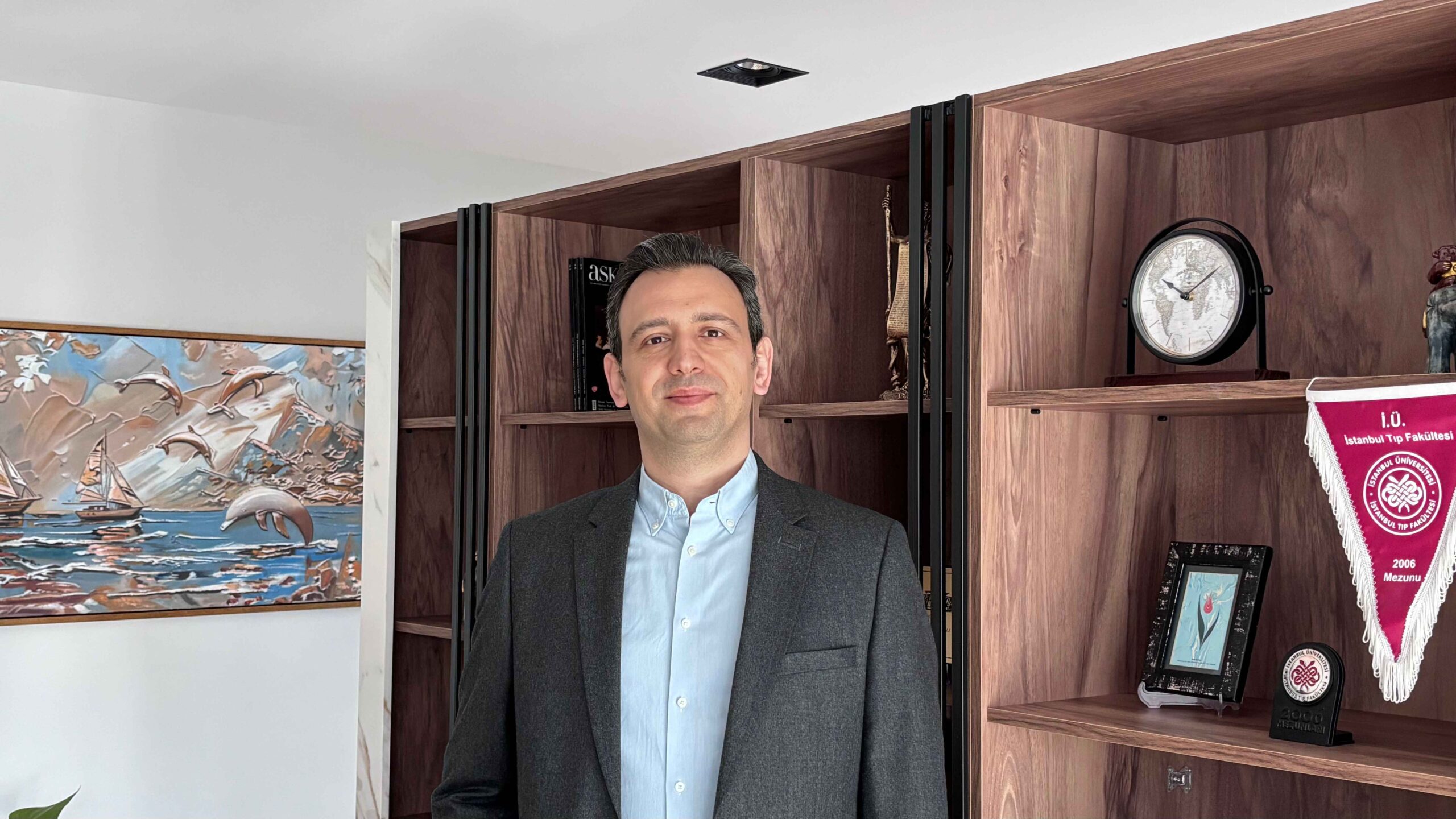
Surgery is more than an intervention
Colorectal surgery is a field that aims not only to treat diseased tissue, but also to protect a patient’s quality of life. I base my treatment decisions on accurate diagnosis and proper indication, prioritizing function-preserving, stepwise, and personalized planning.
Treatment is a knowledge-based partnership between patient and physician. Every step of the process is shared in a clear and understandable way.
Academic journey and international clinical experience
Brief timeline
Scientific work and an education-driven mindset
During residency, he gained international experience by working in the United States, producing scientific publications and congress presentations. His expertise in colorectal surgery and proctology was further strengthened with advanced training in Europe.
Certificates, memberships, and academic roles
Certifications and institutional roles help ensure that clinical practice aligns with current guidelines and international standards.
The shared foundation of my specialties
Although proctology, colorectal cancers, and pelvic floor disorders may seem different, they converge on key factors that shape quality of life: bowel function, continence, and pelvic floor harmony. For this reason, treatments are considered as a whole rather than as isolated issues.
What to expect at your first visit and throughout treatment
One of the most common challenges for patients seeking colorectal surgery or proctology care is uncertainty. Knowing how the process works reduces anxiety and builds trust.
We discuss symptom onset and course, bowel habits, and the impact on daily life in detail.
Privacy and respect are essential. Unnecessary or painful procedures are avoided. You are informed before every step.
Not every patient needs the same tests. When appropriate, anoscopy, rectoscopy, MRI, or colonoscopy may be planned.
If non-surgical or interventional options are suitable, they are discussed. If surgery is needed, scope, method, and recovery expectations are clarified.
The pre-procedure process is explained. Pain control and care plans are set. Follow-up is provided directly by the physician.
The goal is not only to treat the condition, but to make recovery predictable, safe, and comfortable.
Patients are informed at every stage before and after treatment and are closely followed.
Frequently asked questions


Information Notice
This content is for general informational purposes only and does not replace medical diagnosis or treatment. A medical evaluation is required for your symptoms.
Author
Prof. Dr. Emre Sivrikoz
Specialist in General Surgery
Clinical experience in colorectal surgery and proctology
Medical Review
Last updated: 02 / 2026
Notes
- The treatment plan is individualized for each patient.
- When needed, evidence-based guidelines and current scientific data are used.
- Examination and follow-up are conducted with patient comfort and safety in mind.